

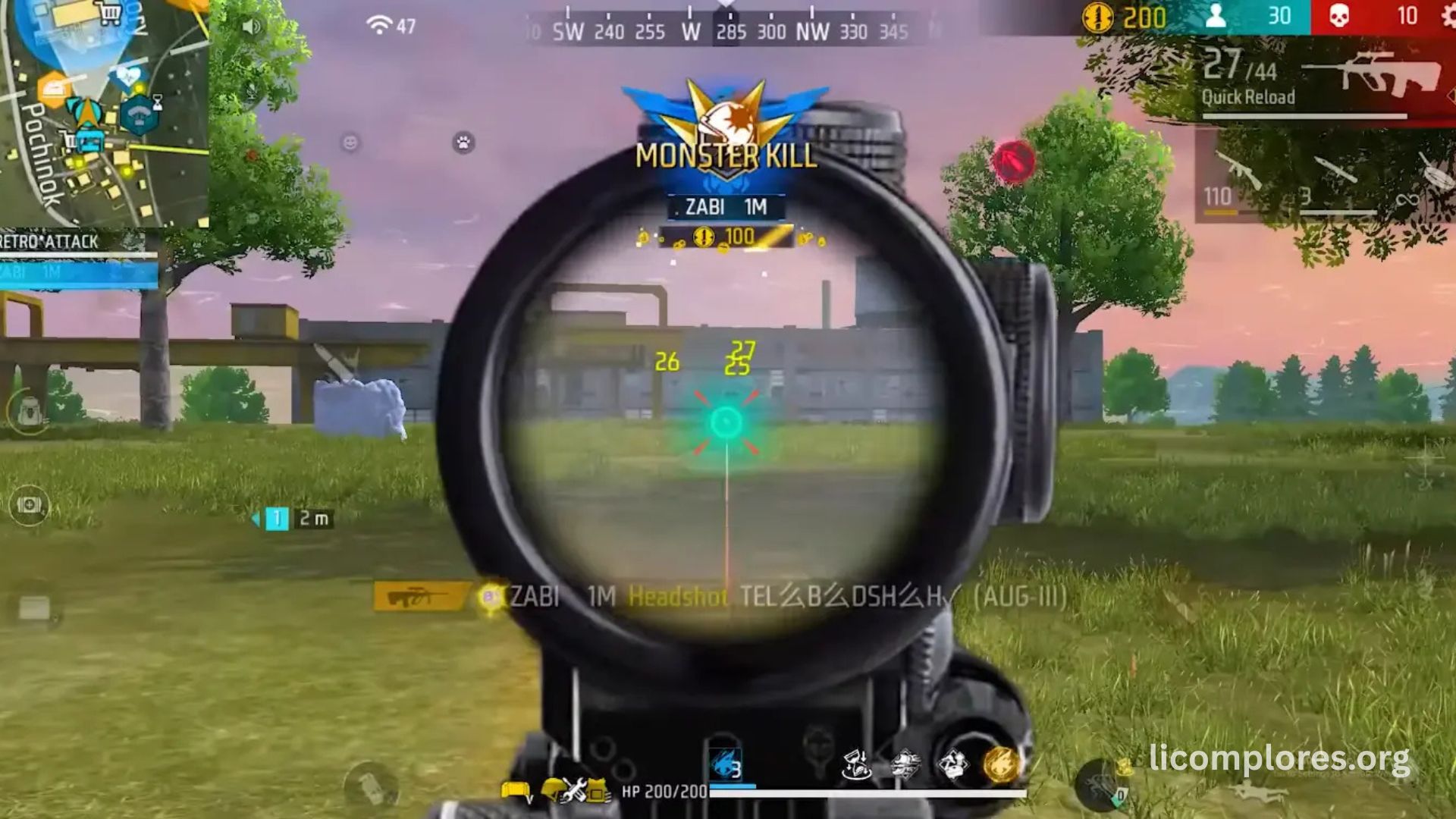
Best Free Fire sensitivity settings are one of the most important gameplay factors for players who want smoother aiming, faster reactions, and accurate headshots in Garena Free Fire. Sensitivity settings directly affect crosshair movement, recoil control, and aiming precision during intense battles. For players using low-end Android devices, proper sensitivity optimization becomes even more important because device limitations can impact frame rate, touch response, and overall gameplay performance.
In 2026, competitive gameplay in Free Fire has become more skill-based, making sensitivity adjustments essential for both casual and ranked players. Many professional players spend significant time fine-tuning sensitivity settings to improve consistency in close-range and long-range combat situations. Correct settings not only improve headshot accuracy but also help reduce aim instability and lag-related movement issues. This guide explains the importance of sensitivity settings, ideal configurations for low-end devices, and how players can optimize gameplay for better performance.
Understanding Sensitivity Settings in Free Fire
Sensitivity settings in Free Fire control how quickly the screen responds to touch movement while aiming and rotating. These settings influence aiming speed, drag control, recoil handling, and overall shooting precision during combat. Different sensitivity categories affect different scopes and weapon types, making customization extremely important.
Players using low-end Android devices often face delayed touch response and unstable frame rates, which can impact aiming consistency. Proper sensitivity adjustments help compensate for these limitations by improving smoother crosshair movement and reducing unnecessary aim shake during fast fights.
Importance of Sensitivity for Headshots
Headshots are one of the most effective ways to eliminate opponents quickly in Free Fire. Sensitivity settings play a direct role in determining how accurately players can drag their aim toward enemy heads during combat. High sensitivity allows faster movement, while balanced settings improve stability and precision.
Professional players often adjust sensitivity specifically for one-tap headshots because accurate drag movement increases elimination speed. Finding the right balance between speed and control is essential for maintaining consistent headshot performance across different weapons and combat ranges.
Best Sensitivity Settings for Low-End Android Devices
- Low-end Android devices need optimized sensitivity settings because weaker hardware can affect gameplay performance
- Poor frame stability and delayed touch response can make aiming movement slower and less accurate
- Balanced sensitivity settings help improve smoother crosshair movement and aiming consistency
- General sensitivity and red dot scope settings are important for better control during fights
- Proper sensitivity optimization helps reduce crosshair shake and improves accuracy in intense gunfights
Impact of Device Performance on Gameplay
Device performance has a major impact on Free Fire gameplay quality, especially during fast combat situations. Low RAM, overheating, and unstable frame rates can affect aiming response, movement speed, and reaction timing. Sensitivity optimization helps reduce these issues by improving control consistency.
Players using low-end devices often lower graphics settings to improve frame stability and reduce lag. Combined with proper sensitivity adjustments, this approach creates smoother gameplay and better shooting accuracy during ranked matches and competitive fights.
Role of Sensitivity in Different Weapons
Different weapon categories require different sensitivity approaches for maximum effectiveness. Assault rifles often need balanced sensitivity for recoil control, while sniper rifles require lower sensitivity for stable long-range aiming. Shotguns benefit from faster drag sensitivity for quick headshots in close-range fights.
Players who understand weapon-specific sensitivity adjustments usually perform better in competitive gameplay. Fine-tuning settings based on preferred weapons improves consistency and helps players adapt to different combat situations more effectively.
Common Mistakes While Adjusting Sensitivity
- Many players copy professional sensitivity settings without considering their own device performance and playstyle
- Settings designed for high-end devices may feel unstable on low-end smartphones due to hardware limitations
- Extremely high sensitivity can make crosshair control difficult during fights and reduce accuracy
- Frequently changing sensitivity settings without practice can affect muscle memory and aiming consistency
- Proper testing, gradual adjustments, and regular practice help improve long-term gameplay performance
Importance of Practice With Sensitivity Settings
Sensitivity settings alone cannot guarantee better gameplay without proper practice and adaptation. Players need time to develop muscle memory and understand how their crosshair reacts during different combat situations. Regular practice improves reaction timing and aiming confidence.
Training modes and custom rooms are commonly used by players to test sensitivity adjustments safely before entering ranked matches. Consistent practice helps players identify the most comfortable settings for their device and playstyle, improving overall performance significantly.
Future of Sensitivity Optimization in Free Fire
The future of sensitivity optimization in Free Fire is expected to become more advanced with improved customization features and device-based presets. Developers continue to improve gameplay performance and aiming responsiveness across different smartphone categories.
Future updates may introduce AI-assisted sensitivity recommendations or adaptive aiming systems based on player behavior. These improvements could help players optimize settings more efficiently while improving gameplay balance across devices.
Read More:
Frequently Asked Questions
Why are sensitivity settings important in Free Fire?
Sensitivity settings improve aiming speed, recoil control, and headshot accuracy during matches.
What sensitivity is best for headshots?
Balanced high sensitivity is usually preferred for faster drag headshots.
Are low-end devices good for Free Fire?
Yes, optimized settings can improve gameplay performance on low-end devices.
Does sensitivity affect recoil control?
Yes, proper sensitivity helps maintain stable recoil and better accuracy.
Should I copy pro player sensitivity settings?
Not always, because device performance and playstyle vary for every player.
How can I improve gameplay on low-end phones?
Lower graphics settings and optimized sensitivity can improve performance.
Is practice important after changing sensitivity?
Yes, practice helps build muscle memory and aiming consistency.
Can sensitivity improve ranked performance?
Yes, proper settings can improve reaction speed and overall combat efficiency.
Conclusion:
Best Free Fire sensitivity settings continue to play a major role in improving aiming precision, recoil control, and headshot accuracy in Garena Free Fire. For players using low-end Android devices, optimized sensitivity is especially important because it helps reduce lag-related aiming issues and improves gameplay stability. By understanding how sensitivity works and practicing consistently, players can achieve smoother controls and better combat performance. As Free Fire evolves with future updates, sensitivity customization will remain an essential factor for competitive success and overall gameplay improvement.
